Search for Scotland holiday homes by the beach

Scotland Beach Cottages

Choose from 613 self-catering holiday homes in Scotland

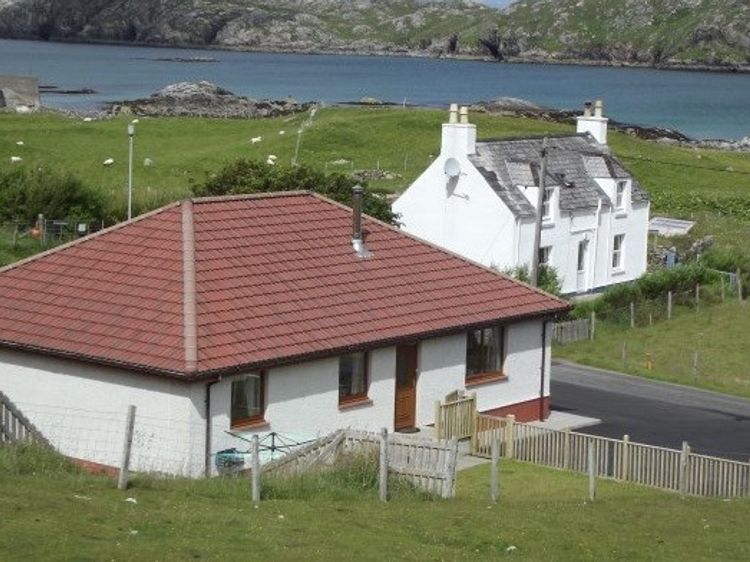
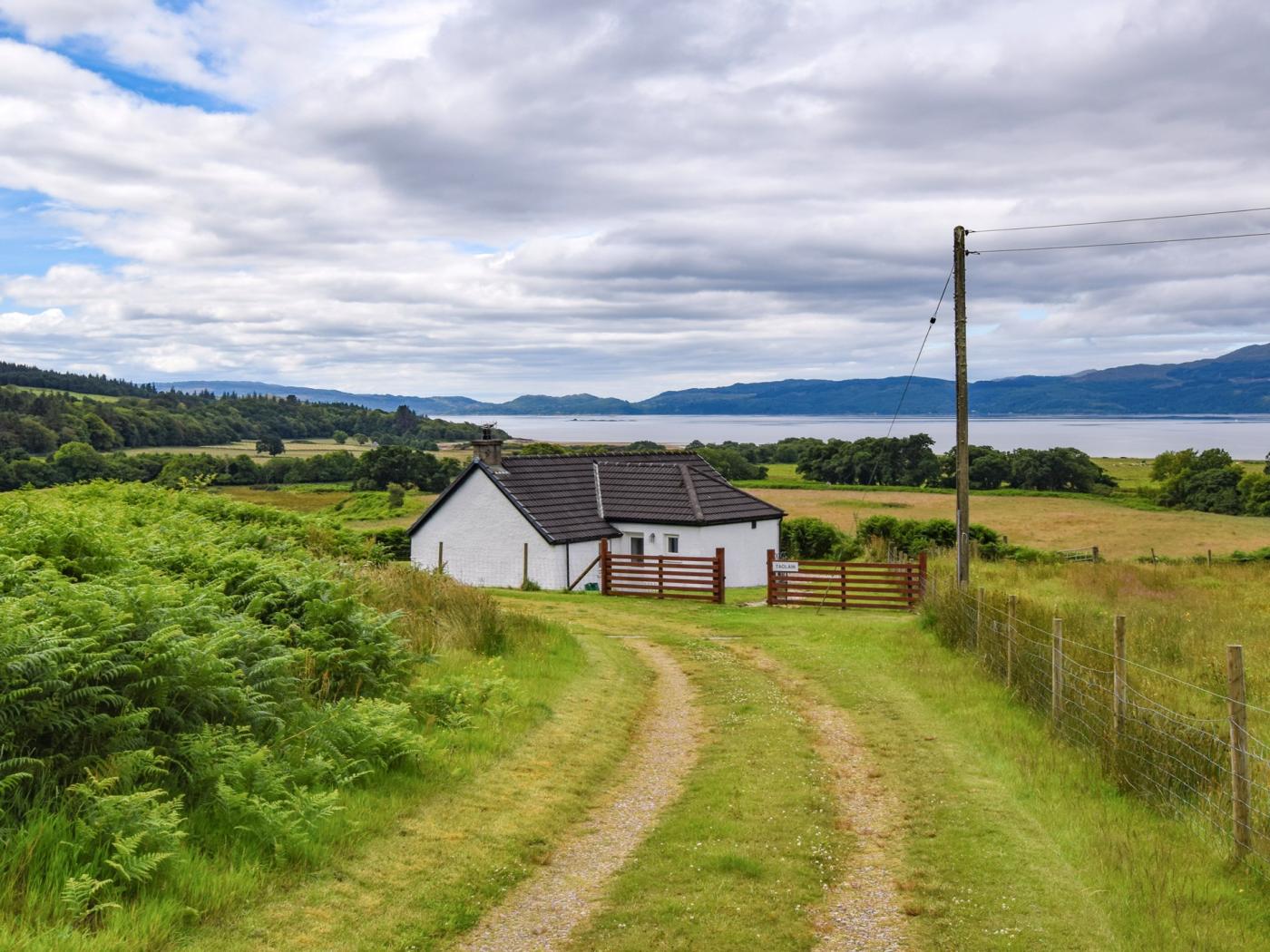
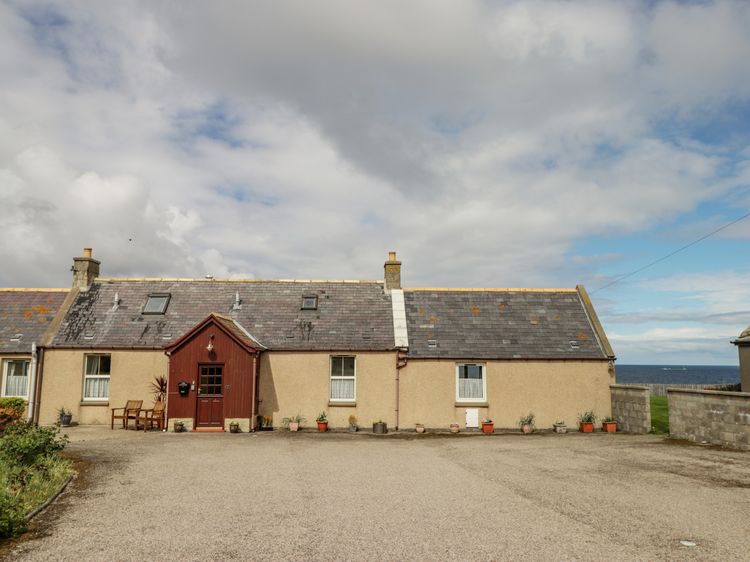
Scotland offers a very different coastal experience, with wide open landscapes, quieter beaches and views that stretch across bays, islands and headlands. Our Scotland beach cottages are located in a range of settings, from small coastal villages to more remote parts of the shoreline. There are also sea view cottages positioned to make the most of the scenery, whether overlooking open water or sheltered inlets. With its mix of coastline, wildlife and places to explore, Scotland is well suited to visitors looking for a coastal break that feels less crowded and more spacious.

Scotland Cottages by Type

Scotland beaches, coastal towns and places to explore


Coastal towns and villages in Scotland

Scotland’s coastline is shaped by smaller towns and villages rather than large resorts, giving it a more local feel. On the east coast, St Andrews is one of the best-known locations, combining a long sandy beach with historic buildings and coastal walks. Further north, places such as Stonehaven and Cullen offer access to quieter beaches and harbour settings. On the west coast, Oban is a popular base with ferry links to the Inner Hebrides, while towns like Ullapool provide access to more remote parts of the Highlands coastline.


Beaches across the Scottish coastline

Scotland has a wide range of beaches, many of which are less developed than those in other parts of the UK. On the west coast, Luskentyre on the Isle of Harris and Achmelvich in Sutherland are known for their light sand and clear water. Further north, beaches such as Durness and Sandwood Bay offer a more remote setting, often reached by foot. Along the east coast, St Andrews West Sands and Nairn Beach provide long, open stretches of shoreline that are easy to access and well suited to walking.


Points of interest along the coast

Scotland’s coastline includes a number of historic and natural landmarks. Dunnottar Castle near Stonehaven sits on a cliff overlooking the North Sea, while Eilean Donan Castle is located at the meeting point of sea lochs on the west coast. Visitors can also explore coastal sites such as the harbour towns of Oban and Ullapool, or take boat trips to islands including Skye and Mull. In addition to historic sites, many areas offer opportunities to spot wildlife, particularly along the Moray Firth and parts of the west coast.

Your questions answered

Some of Scotland’s best beaches are found along the west coast and in the Highlands, where locations such as Luskentyre on Harris and Achmelvich in Sutherland are known for their white sand and clear water. On the east coast, beaches tend to be longer and more open, with places like St Andrews and parts of the Moray Firth offering wide stretches of shoreline. The variety means you can choose between more sheltered bays and exposed coastal areas depending on your preference.

Scotland’s coastal towns tend to be smaller and more spread out than in other regions. St Andrews is one of the most well-known, offering a mix of beach access and historic surroundings. Oban is another popular location, acting as a gateway to the islands and offering harbour views. Further north, towns and villages along the Highlands coastline provide a more remote feel, often with easy access to quieter beaches and coastal walks.

Scotland can work well for short breaks, particularly if you choose a specific region rather than trying to cover too much ground. Coastal areas near cities such as Edinburgh or Glasgow are easier to access for shorter stays, while more remote locations may be better suited to longer visits.

Yes, Scotland’s coastline is known for its wildlife, particularly in less developed areas. Visitors may see seabirds, seals and, in some regions, dolphins or other marine life. Certain locations are known for wildlife spotting, especially along the Moray Firth and parts of the west coast.

In many areas, coastal routes are accessible by road, although they often follow indirect paths rather than a continuous shoreline drive. Routes such as the North Coast 500 take in large sections of the northern coastline, linking beaches, towns and viewpoints. In more remote areas, roads can be narrow and slower to travel, but they provide access to locations that would otherwise be difficult to reach.

Yes, Scotland can be a good destination outside the summer months, particularly for walking, sightseeing and exploring coastal areas without crowds. While the weather can be more changeable, the landscapes often feel even more open and quieter, which can add to the overall experience.

Latest from our Blog

Discover how to book UK beach cottages

Welcome to our new website

Find how easy it is to find and book your perfect beach holiday home on our website.

Start your search